

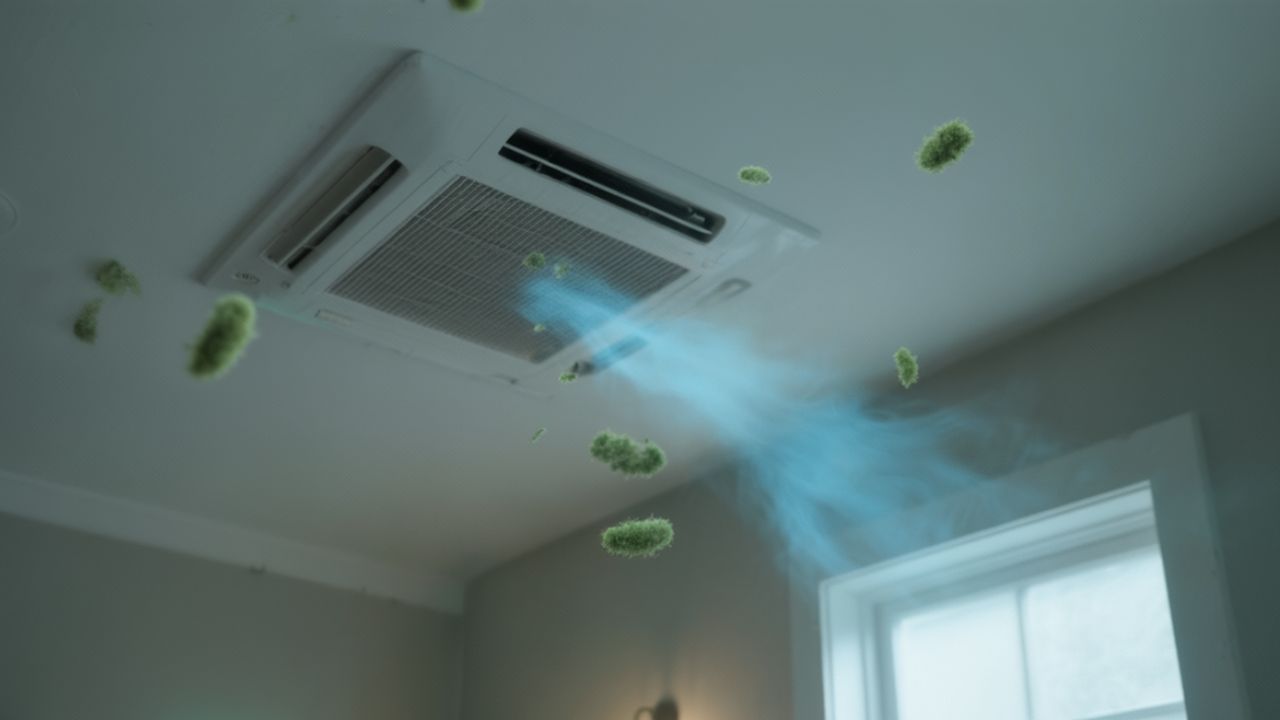
Keeping your home comfortable should never come at the cost of your health. When mold starts growing inside your HVAC, it can spread spores throughout your home, trigger allergies, and cause unpleasant odors. Learning how to prevent mold in your air conditioning system is one of the smartest home maintenance steps you can take.
In this guide, you’ll discover the main causes of mold in AC units, practical steps to stop it, and simple habits that will keep your air clean and safe. Keep reading to protect both your home and your health.
Why Mold Grows Inside Air Conditioning Systems
Mold loves three things: moisture, darkness, and organic material. Unfortunately, many air conditioning systems offer the perfect combination of all three.
Main conditions that favor mold
- High humidity inside the home
- Standing water in the drain pan
- Dirty filters full of dust and debris
- Poor ventilation around the unit
When warm, humid air passes through cold coils, condensation forms. If that moisture doesn’t drain properly, it can stay inside the system and create ideal conditions for mold growth. According to the U.S. Environmental Protection Agency (EPA), controlling moisture is the key to preventing mold indoors.
Signs You May Have Mold in Your AC
Common warning signs
- Musty or “wet” smell when the AC turns on
- Worsening allergies or respiratory symptoms at home
- Visible dark spots on vents, grills, or around the unit
- Condensation or water leaks near the air handler
If you notice several of these signs, it’s time to inspect your system and take preventive action immediately.
How to Prevent Mold in Your Air Conditioning System
Now let’s get into what you can actually do to keep mold away. These are practical, easy-to-apply steps for homeowners and property managers.
1. Control Humidity Levels Indoors
Keeping indoor humidity between 30% and 50% is essential to prevent mold growth in any part of your home, including the AC.
Practical tips:
- Use a dehumidifier in damp areas (basement, laundry room, bathrooms).
- Ventilate kitchens and bathrooms with exhaust fans.
- Avoid drying clothes indoors without proper ventilation.
- Check windows and doors for air leaks that let humid air in.
Tip: A small, inexpensive hygrometer can help you monitor indoor humidity so you know when it’s getting too high.
2. Keep Air Filters Clean and High Quality
Dirty filters trap dust, pollen, and other particles that mold can feed on.
Best practices for AC filters
- Check filters every month during heavy use (summer).
- Replace or wash them at least every 1–3 months (follow manufacturer instructions).
- Choose high-quality filters with good MERV ratings suitable for your system.
A clean filter not only helps prevent mold in your air conditioning system, it also improves airflow and reduces energy costs.
3. Maintain Proper Drainage (Condensate Line & Drain Pan)
One of the most critical areas for mold prevention is the condensate drain line and drain pan.
What you should do:
- Inspect the drain pan regularly for standing water.
- Make sure the condensate line is not clogged.
- Clean the drain pan with a mild detergent and water, and dry it well.
- Consider using special AC drain tablets (following instructions) to reduce algae and buildup.
If water remains in the system, mold will eventually appear. Proper drainage is non-negotiable.
4. Schedule Regular Professional Maintenance
Even if you’re diligent, there are parts of your HVAC system you simply can’t reach.
What a professional HVAC technician can do:
- Inspect and clean evaporator coils
- Check ductwork for leaks, dust, or mold
- Verify that the system is correctly sized and balanced
- Confirm proper air circulation and drainage
At least once a year, schedule a full inspection and cleaning. This not only reduces mold risk, but can extend the life of your system.
5. Improve Air Circulation and Ventilation
Stagnant air makes it easier for mold spores to accumulate and grow.
How to boost ventilation:
- Keep supply and return vents descubiertos (do not block them with furniture).
- Use ceiling fans to help distribute air.
- Open windows when weather permits to refresh indoor air.
Good airflow dilutes spores and helps keep surfaces drier.
6. Clean Vents and Ducts When Needed
You don’t need a full duct cleaning every year, but in some cases it is recommended, especially if:
- You see visible mold inside ducts or on vents.
- There was water damage or flooding in the home.
- There is excessive dust or debris coming out of vents.
Always use licensed professionals for duct cleaning and mold remediation. They can safely handle and dispose of contaminated materials.
7. Use Mold-Resistant Materials When Possible
In some homes or commercial buildings, it makes sense to invest in materials that are less friendly to mold.
Examples include:
- Mold-resistant drywall near AC closets or utility rooms
- Insulated ducts to reduce condensation
- Moisture-resistant paint in areas around the air handler
These upgrades are especially useful in very humid climates.
Safety Tips When Dealing with Mold
If you suspect mold inside your air conditioning system:
- Avoid touching mold with bare hands.
- Use gloves and a mask when cleaning around the unit.
- Never spray harsh chemicals directly into the system without guidance.
- When in doubt, call a professional mold remediation company.
For more information about mold and health, you can consult the CDC’s guidance on mold and dampness in buildings.
Frequently Asked Questions About Preventing Mold in AC Systems
1. How often should I change my AC filter to prevent mold?
In most homes, you should check your filter every month and replace it every 1–3 months, especially during heavy use. If you have pets or allergies, more frequent changes may be necessary.
2. Is a musty smell always a sign of mold in my air conditioner?
A musty smell is a strong indicator, but not always a guarantee of mold in the unit. It can also come from damp carpets, basements, or other hidden areas. However, if the smell gets stronger when the AC turns on, you should definitely inspect the system.
3. Can I clean mold in my AC by myself?
You can safely clean external components like vents and grills with mild soap and water. But if you suspect mold inside the unit or ducts, it’s best to hire a professional to avoid spreading spores and to ensure proper removal.
4. Does turning off the AC help reduce mold?
Turning off the AC for long periods can actually increase humidity indoors, which may encourage mold growth. It’s better to maintain stable temperatures and humidity with proper ventilation and, if necessary, a dehumidifier.
5. What’s the most important step to prevent mold in my air conditioning system?
The single most important step is controlling moisture and humidity. If you keep the system dry, ensure proper drainage, and maintain good filters, you drastically reduce the chances of mold growth.
Conclusion
Preventing mold in your air conditioning system is mainly about controlling moisture, keeping components clean, and maintaining good airflow. By managing indoor humidity, changing filters regularly, ensuring proper drainage, and scheduling professional maintenance, you can protect your home, your health, and your investment in your HVAC system.
With a few consistent habits, you’ll keep your air cleaner, your AC more efficient, and greatly reduce the risk of mold in your air conditioning system.
Comments are closed